Build Your Email List with LinkedIn: From Connection to Subscriber
Learn how to convert LinkedIn followers into email subscribers using the magic keyword strategy. From post to DM to opt-in. Automated with LinkedIfy.
5 min readRead article
Cookies
We use cookies for analytics to improve our website. Cookie policy
You have two seconds to grab attention on LinkedIn. Discover six types of hooks that work: from question hooks to controversial statements. With examples and golden rules for every opening line.
You have two seconds. Two seconds before someone decides to scroll past your post or stop and read. Your opening line determines everything. And most people waste it.
On LinkedIn you only see the first two to three lines of a post. Everything after that disappears behind "see more." That means: if your opening does not hook, nobody reads the rest. According to LinkedIn, a strong hook can boost reader retention by 30%. The difference between 400 and 4,000 views is literally in your first sentence.
A good hook does three things: it stops the scroll, sparks curiosity, and promises value. It does not explain context, introduce you, or warm up slowly. It strikes immediately.
1. The question hook. A question forces the reader to think. "What if a single tweak could triple your post reach?" or "How often do you post on LinkedIn without getting a single comment?" The best questions hit a pain point the reader recognizes.
2. The controversial statement. Challenge what everyone believes. "Engagement pods are dead. And that is good news." or "You don't need to be an expert to become a thought leader." Controversy triggers a reaction, whether that is agreement or disagreement.
3. The number hook. Numbers create structure and promise concrete value. "I analyzed 200 LinkedIn posts. These are the 5 patterns that keep coming back." or "93% of B2B marketers use LinkedIn. But only 3% actually get leads from it."
4. The story hook. Stories work because they feel human. "Last year I lost 80% of my LinkedIn reach. This is what I did next." or "My first LinkedIn post got 12 views. My last one got 12,000. The difference was one sentence." Start in the middle of the action, not with background.
5. The mystery hook. Make the reader curious about what is coming. "There is a reason your LinkedIn posts get no reach. And it has nothing to do with the algorithm." or "This is the worst LinkedIn advice I have ever received."
6. The recognition hook. Describe a situation the reader instantly recognizes. "You open LinkedIn. Scroll past 20 posts. Stop at none. That is what your followers do too." or "You spend an hour writing your post. Publish it. 47 views. Sound familiar?"
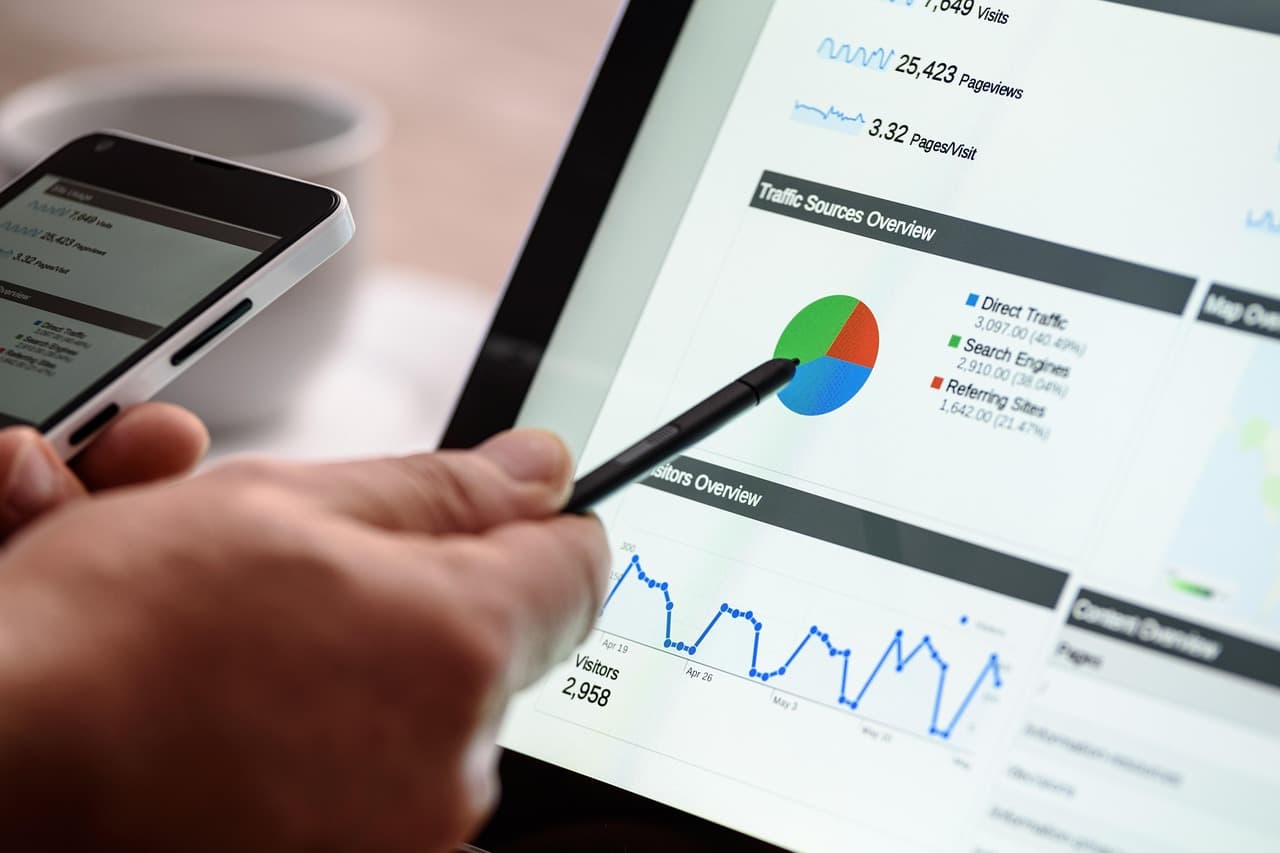
LinkedIfy sends your lead magnet to everyone who responds.
Regardless of which type you choose, every good hook follows the same principles. Keep it under 200 characters. Create tension or curiosity. Promise specific value. And never start with "I would like to share that..." or "It is widely known that...". That is the moment your reader scrolls past.
The best hooks do not sound like headlines. They sound like thoughts. Something a real person would actually say. That makes them authentic, and authenticity is exactly what the LinkedIn algorithm of 2026 rewards.
A strong hook gets people to read. But reading alone does not generate leads. The most powerful combination is a hook that stops, content that delivers value, and a call-to-action with a magic keyword at the end. "Comment FREE and I will send you the template."
LinkedIfy takes it from there. Someone comments your keyword, and LinkedIfy automatically sends your lead magnet via DM. Every good hook becomes the start of a lead funnel, without you having to do anything.
A hook is the first sentence of your LinkedIn post. It is the only thing people see before they click "see more." A good hook stops the scroll and makes the reader curious.
Keep your hook under 200 characters. Shorter is better. You only have two to three lines before the rest disappears behind "see more."
That depends on your audience. Question hooks and story hooks work broadly. Controversial statements generate the most comments but do not fit every brand. Test different types and measure what works for you.
Yes. Every post competes with hundreds of other posts in the feed. Without a strong opening nobody reads further, regardless of how good the rest of your content is.
Ready to turn your hooks into leads? Try LinkedIfy and automate your LinkedIn lead generation.
Try LinkedIfy free for 7 days. No credit card required. Your first campaign live in 15 minutes.
No credit card required - Set up in 2 minutes